
read the article

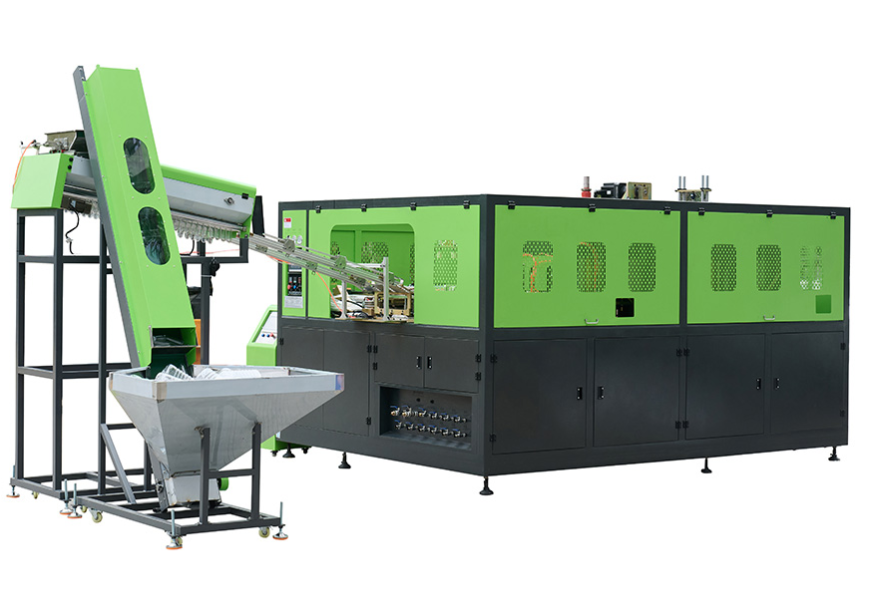
How Servo-Driven PET Blow Molding Machines Achieve 35% Energy Savings vs Pneumatic Systems
In the modern packaging and beverage industry, energy efficiency is no longer just an environmental talking point—it is a critical bottom-line driver. For bottle manufacturers operating high-speed rotary or linear PET stretch blow molding machines, power consumption accounts for a massive share of operational expenditure (OPEX). Traditionally reliant on pneumatic (compressed air and cylinder-driven) mechanisms, the industry is undergoing a paradigm shift toward full servo-driven technology. At tztaixiang, we engineer advanced PET blow molding solutions that harness precise servo control to slash energy consumption by up to 35% compared to legacy pneumatic systems.
The Thermodynamic and Mechanical Bottleneck of Pneumatic Systems
Pneumatic systems have long been a staple in blow molding due to their mechanical simplicity and low initial setup cost. However, thermodynamic and mechanical physics reveal severe inherent inefficiencies:
- Energy Conversion Loss: Generating compressed air requires multi-stage compressors that suffer from low overall energy efficiency (often converting only 10% to 15% of electrical energy into actual pneumatic work). Pressure drops, friction in long piping networks, and air leaks compound these losses significantly.
- Uncontrolled Exhaust Losses: Pneumatic cylinders exhaust compressed air directly to the atmosphere during return strokes, squandering potential energy with every single production cycle.
- Lack of Precision Control: Pneumatic actuators rely on mechanical stops and directional valves, resulting in abrupt accelerations and decelerations that waste kinetic energy and induce premature mechanical wear.
How Servo-Driven PET Blow Molding Machines Eliminate Waste
Servo-driven systems replace or augment pneumatic cylinders for core machine movements—such as mold clamping, preform stretching, mold shifting, and base mold lifting—with high-precision permanent magnet synchronous AC servo motors. Here is how tztaixiang’s servo technology achieves a 35% reduction in energy consumption:
1. Direct Mechanical Power Transmission
Servo motors convert electrical energy directly into precise mechanical motion via high-efficiency ball screws and toggle linkages. Without the intermediary energy conversions of air compression, storage, and decompression, overall mechanical efficiency jumps from under 20% to over 85%.
2. Energy Recovery via Regenerative Braking
During high-speed deceleration phases (such as opening and closing heavy clamping units), servo motors operate as generators, capturing kinetic energy and feeding it back into the machine's internal DC bus or electrical grid through regenerative braking modules.
3. Optimized Multi-Axis Synchronization and Zero Idle Waste
Unlike pneumatic systems that run continuously under constant line pressure regardless of actual load, servo systems draw power dynamically based on precise torque demand. During idle cycles or standby phases, power consumption drops near zero.
Comparative Analysis: Servo-Driven vs. Pneumatic PET Blow Molding
| Performance Metric | Traditional Pneumatic System | tztaixiang Servo-Driven System |
|---|---|---|
| Overall Energy Efficiency | Low (15% - 20%) | High (85% - 92%) |
| Energy Savings | Baseline | Up to 35% reduction |
| Motion Accuracy | ±0.5 mm (mechanical stops) | ±0.01 mm (closed-loop feedback) |
| Maintenance Cost | High (frequent seal replacements, air leaks) | Low (fewer moving wearable parts, digital diagnostics) |
| Noise Level | High (exhaust noise > 85 dB) | Quiet (< 75 dB) |
The tztaixiang Advantage: Tailored PET Blow Molding Solutions
Achieving optimal energy savings requires more than just installing a servo motor; it demands rigorous thermal profiling, optimized cam profiles, and intelligent PLC control integration. As a dedicated PET blow molding machine manufacturer and turnkey solution expert, tztaixiang delivers robust production lines customized to your bottle neck sizes, output requirements, and factory layout.
By upgrading to tztaixiang servo-driven PET stretch blow molding machines, manufacturers not only slash their carbon footprint and electricity bills but also achieve superior bottle wall thickness uniformity, higher output speeds, and reduced changeover downtime.