read the article

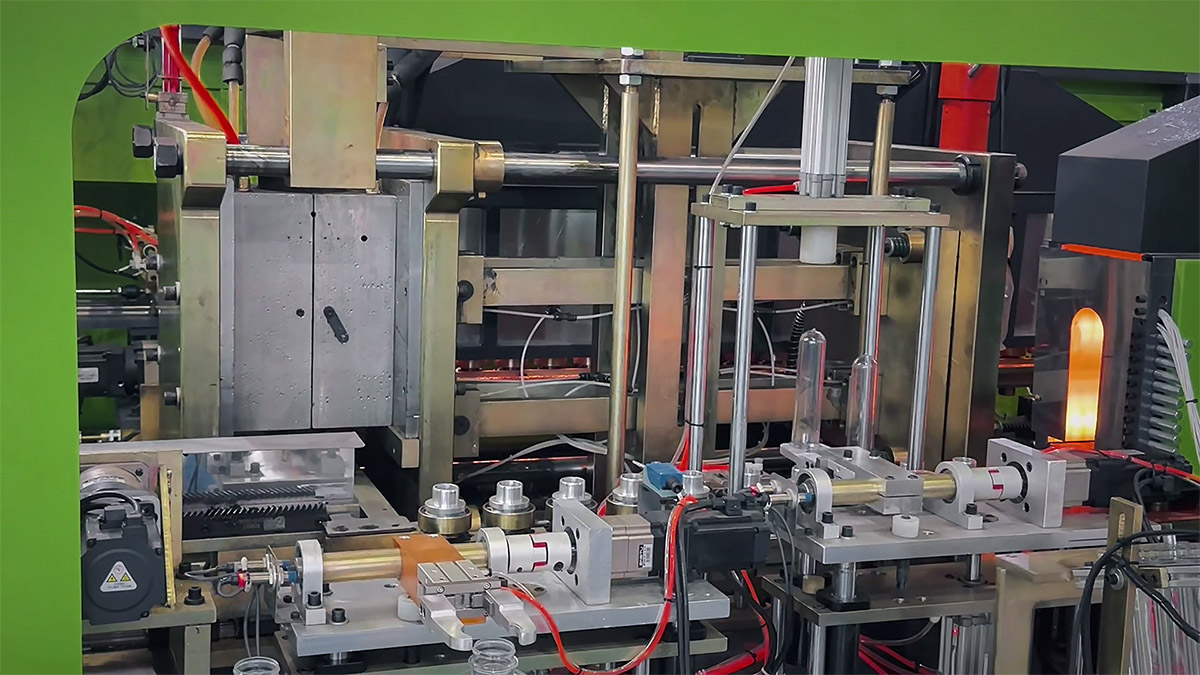
PET blow molding machine
China PET blow molding machine manufacturer
plastic bottle making machine
PET bottle production line
blow molding machine factory
PET stretch blow molding
automatic blow molding machine
plastic bottle manufacturing equipment
Introduction
In today’s packaging industry, PET bottles are everywhere – from water and carbonated drinks to cooking oil, pharmaceuticals, and household chemicals. As a China-based PET blow molding machine manufacturer, we specialize in designing and building machines that can produce various plastic bottles with high precision, speed, and reliability.
Whether you are starting a new bottle production line or upgrading your existing equipment, choosing the right PET blow molding machine is critical to your success. This article explains what our machines can do and why we are a trusted partner for clients worldwide.
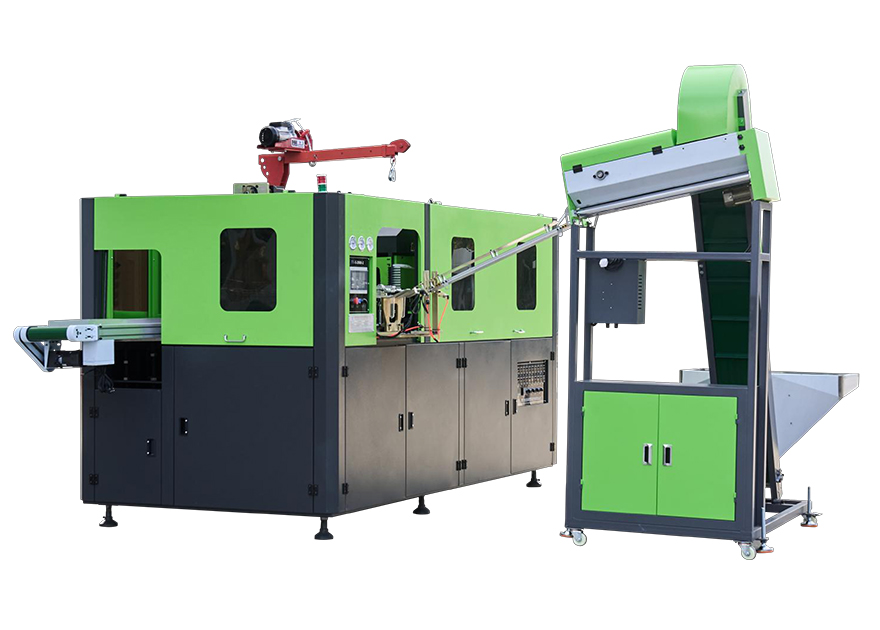
What Is a PET Blow Molding Machine?
A PET blow molding machine (also called a PET stretch blow molding machine) is used to transform PET preforms into finished plastic bottles. The process involves heating the preform, stretching it mechanically, and blowing compressed air to shape it into the final bottle design.
Our machines are capable of producing:
- Water bottles (0.1L to 20L)
- Carbonated soft drink bottles
- Juice and dairy bottles
- Edible oil bottles
- Pharmaceutical and medicine bottles
- Cosmetic and personal care bottles
- Wide-mouth jars and containers
Why Choose Our China PET Blow Molding Machine Factory?
As a direct PET blow molding machine manufacturer in China, we offer significant advantages:
1. Wide Range of Bottle Production
Our machines are not limited to one bottle type. With adjustable molds and parameters, they can produce various plastic bottles – different shapes, sizes, and neck finishes. This flexibility makes our equipment ideal for both small and large production facilities.
2. High Efficiency and Energy Saving
Our automatic blow molding machines feature advanced heating systems, servo control, and optimized air recovery. This reduces energy consumption while increasing output – up to 2,000–12,000 bottles per hour depending on the model.
3. Competitive Factory Price
Because we are the factory, not a trading company, you get direct pricing without middlemen. This means lower initial investment and faster return on investment.
4. Customized Solutions
We understand that every bottle is different. We provide customized PET blow molding solutions including mold design, machine configuration, and production line layout.
5. Global Service and Support
Our machines are exported to more than 80 countries. We offer installation, training, spare parts, and technical support to ensure your PET bottle production line runs smoothly.
Key Features of Our PET Blow Molding Machines
- Servo-driven system for precise control and low maintenance
- Infrared heating oven with adjustable zones for uniform preform heating
- High-pressure blowing valves for clear bottle details
- Automatic preform feeding and bottle discharge
- PLC + touch screen for easy operation
- Safety guards and alarms for reliable operation
- Compatible with various preform sizes (from 10g to 150g)
Applications of PET Bottles Produced by Our Machines
Our plastic bottle making machines are used in multiple industries:
| Industry | Typical Bottles |
|---|---|
| Beverage | Water, CSD, juice, tea |
| Food | Edible oil, sauce, vinegar |
| Pharma | Syrup, capsules, sanitizer |
| Cosmetic | Shampoo, lotion, toner |
| Household | Detergent, cleaner, bleach |
How to Choose the Right PET Blow Molding Machine
When selecting a PET blow molding machine from China, consider:
- Bottle size and shape – max diameter and height
- Production capacity – bottles per hour
- Number of cavities – 1, 2, 4, 6, 8, etc.
- Energy supply – voltage and air compressor requirements
- Automation level – semi-auto or fully automatic
- After-sales service – training, spare parts, warranty
Our team helps you match the right machine to your exact needs.
Why China Is the Global Hub for PET Blow Molding Machines
China has become the world’s largest producer of plastic bottle manufacturing equipment. Advantages include:
- Mature supply chain for components
- Advanced manufacturing technology
- Competitive labor and material costs
- Fast delivery and export experience
As a China PET blow molding machine manufacturer, we combine these advantages with strict quality control and customer-focused service.
Frequently Asked Questions (FAQ)
Q1: Can your machine produce different bottle shapes?
Yes. With different molds, our machines can produce various plastic bottles including round, square, oval, and custom shapes.
Q2: What is the delivery time?
Usually 25–45 days after deposit, depending on machine model and customization.
Q3: Do you provide installation and training?
Yes. We send engineers to your factory for installation, commissioning, and operator training.
Q4: What is the warranty?
One year warranty for main components, with lifetime technical support.
Q5: Can I visit your factory?
Absolutely. We welcome customers to visit our factory in China to see the machines running.
Conclusion
If you are looking for a reliable PET blow molding machine manufacturer in China, we are ready to help you produce high-quality plastic bottles efficiently and profitably. Our machines are designed for flexibility, durability, and performance – making them ideal for any bottle production business.
Contact us today to get a quotation, technical proposal, and video demonstration. Let’s build your PET bottle production line together.
Ready to Start Your PET Bottle Production?
Get a customized quotation and technical proposal within 24 hours.
👉 Request a Quote for PET Blow Molding Machine